
Guide · Published on February 28, 2026
How to Avoid Inventory Errors When Importing Supplier Catalogs
Inventory errors are one of the most expensive hidden problems in ecommerce. A duplicated SKU or a small stock mismatch can silently damage margin, customer trust and operational scale. This guide explains the structured workflow teams should use to keep catalog imports reliable.

What causes inventory errors when importing supplier catalogs
Most supplier documents are created for accounting, not ecommerce ingestion. When teams manually convert invoices and supplier sheets into CSV imports, repeatable issues appear and compound over time.
- Column mismatch against platform requirements.
- SKU formatting drift such as
SKU-123,sku123, orSKU 123. - Hidden duplicate rows.
- Missing required product attributes.
- Base cost uploaded without logistics and import fees.
Every manual touchpoint increases the probability of stock inconsistency across channels.
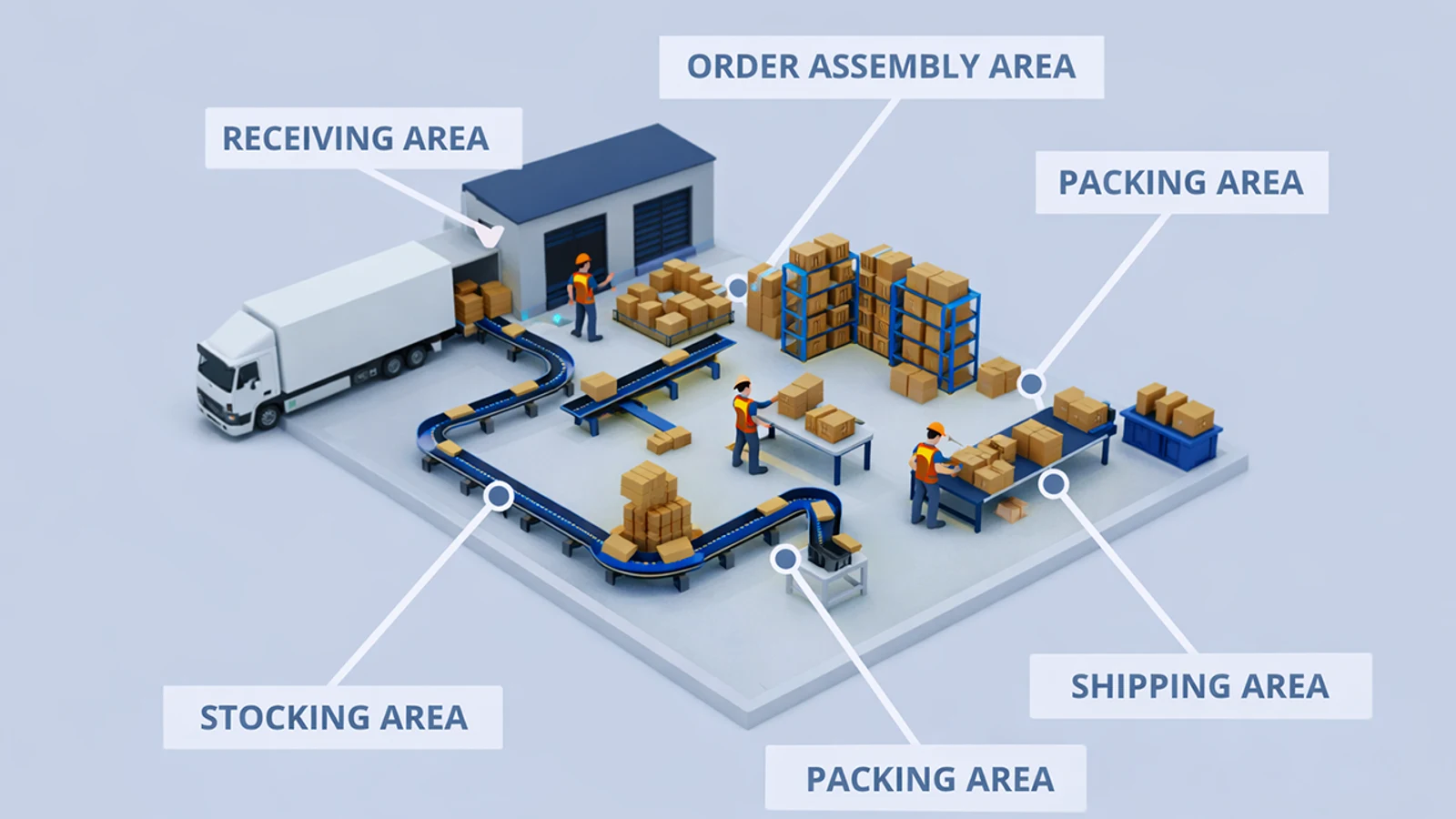
The multichannel inventory problem
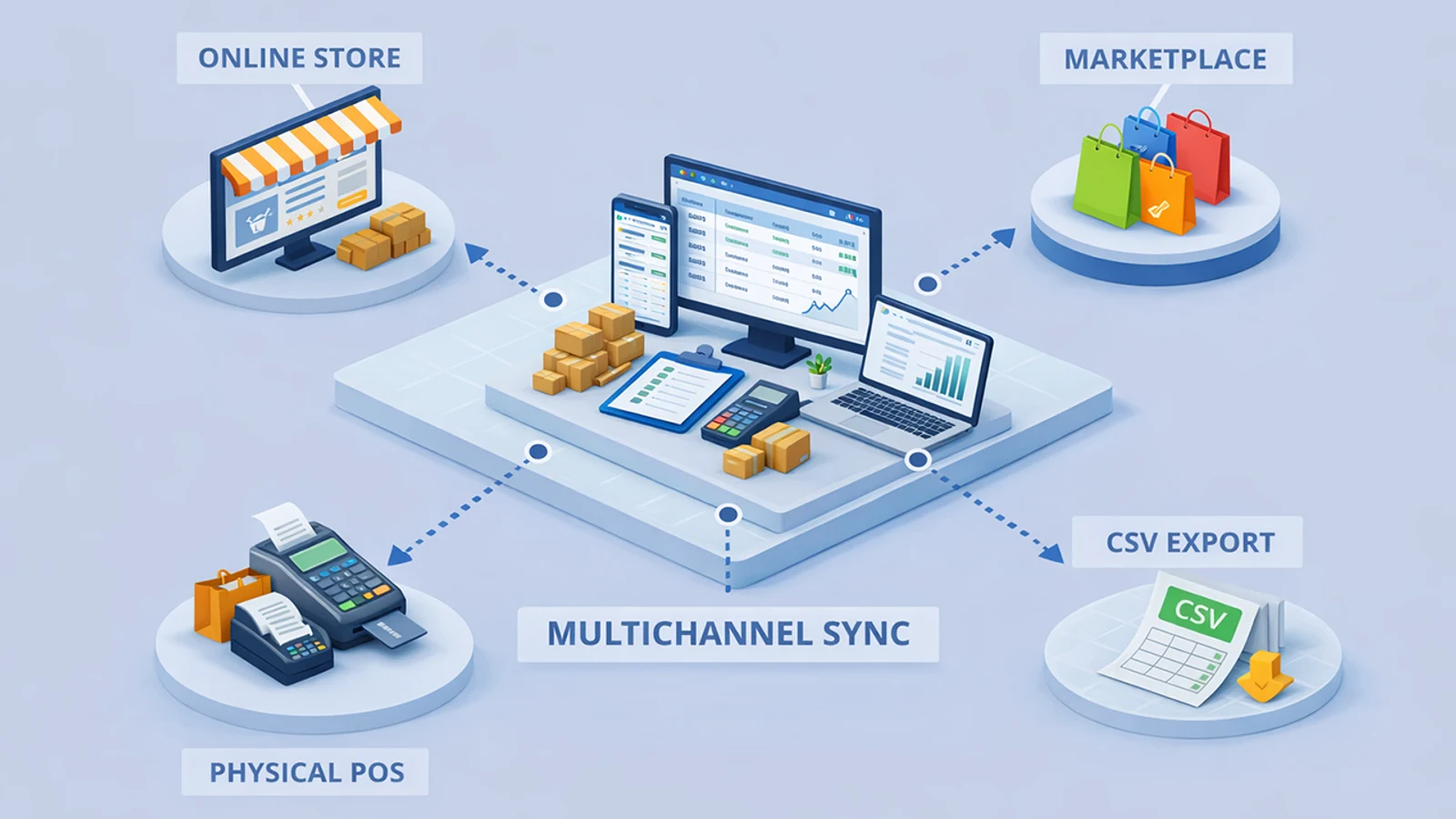
Ecommerce brands rarely sell in one place only. If each channel gets its own edited file, each channel becomes its own version of truth. That leads to overselling, underselling, duplicate listings and unreliable margin calculations.
| Manual import workflow | Structured inventory infrastructure |
|---|---|
| Multiple edited spreadsheets | Centralized validated dataset |
| High SKU duplication risk | Canonical SKU enforcement |
| Stock divergence by channel | Synchronized multichannel outputs |
| Margin from supplier base cost | Margin from true landed cost |
| Reactive correction | Preventive validation system |
Interactive lab: inventory risk score
Model your current import process and estimate operational risk before publishing catalog updates.
Multichannel simulator: expected vs published stock
Adjust channel-level differences to measure stock divergence before your next sync.
| Channel | Published stock | Status |
|---|---|---|
| Master | 150 | Baseline |
| Online store | 146 | Misaligned |
| Marketplace | 157 | Misaligned |
| Physical POS | 140 | Misaligned |
CSV pre-publication checklist
Complete each validation point to confirm your file is ready to publish.
Quick SKU normalizer
Paste your SKU list to normalize format and detect duplicates before import.
The structured workflow that prevents inventory errors
1. Capture structured data directly from supplier documents
Extract SKU, product name, quantity, base cost, currency and supplier reference from source files without copy/paste transformations.
2. Normalize SKU as a canonical identifier
SKU should be your stable key across store, marketplace, POS and reporting layers.
3. Apply pre-publication validation rules
Check duplicates, stock values, required fields, currency consistency and outlier costs before publishing updates.
4. Calculate true unit cost
Include logistics, duties, handling and operational allocation to avoid margin decisions based on incomplete base cost.
5. Maintain a single source of truth
Use one validated dataset to generate all channel exports, not separate manually edited files by platform.
6. Implement recurring sync cycles
Inventory changes daily. Frequent sync cycles are mandatory to keep channels aligned.
Where Margynn fits in this process
Margynn acts as an operational layer between supplier documents and selling channels. Teams can extract structured product data, normalize SKU, calculate true unit cost, and export clean catalog files for ecommerce and POS in one repeatable workflow.
If your team still edits supplier files before every upload, test a structured approach with a real invoice in Margynn and compare accuracy, speed and stability.
Pair this with how to calculate real landed cost per product to connect cleaner inventory with profitable pricing decisions.
Frequently asked questions
How do I prevent duplicate SKUs in ecommerce
Use canonical immutable SKU values and run duplicate checks before every import.
Why is my online stock different from my POS stock
This usually happens when each channel is updated from different files without centralized synchronization.
What should a clean CSV include
Unique SKU, consistent formatting, required fields, validated quantities and UTF-8 encoding.
How do I calculate real margin per product
Include supplier cost, logistics, duties and operational allocation to get true landed cost.
Is spreadsheet-only inventory management scalable
It can work in low volume, but multichannel growth makes it fragile and expensive to maintain.